Table Of Content

It’s a complex condition with a range of symptoms that can vary widely among individuals. The symptoms and their severity differ, and the condition is typically characterized by a combination of symptoms such as irregular periods, excess androgen levels, and polycystic ovaries. While PCOS-related hair loss can be distressing, several medical treatments can help manage this symptom. These treatments mainly focus on regulating hormone levels, particularly reducing androgen levels. PCOS can cause hormonal imbalances, irregular periods, excess androgen levels and cysts in the ovaries. Irregular periods, usually with a lack of ovulation, can make it difficult to become pregnant.
A Patient’s Guide: Management of Hair Loss in Polycystic Ovary Syndrome
The presence of oily and shiny skin in the nasolabial folds, forehead, or behind the ear is defined as seborrhea. Most people are diagnosed in their 20s or 30s when they’re trying to get pregnant. You may have a higher chance of getting PCOS if you have obesity or if other people in your biological family have PCOS.
Diet drug used by Elon Musk has drawbacks, say doctors – proceed with caution
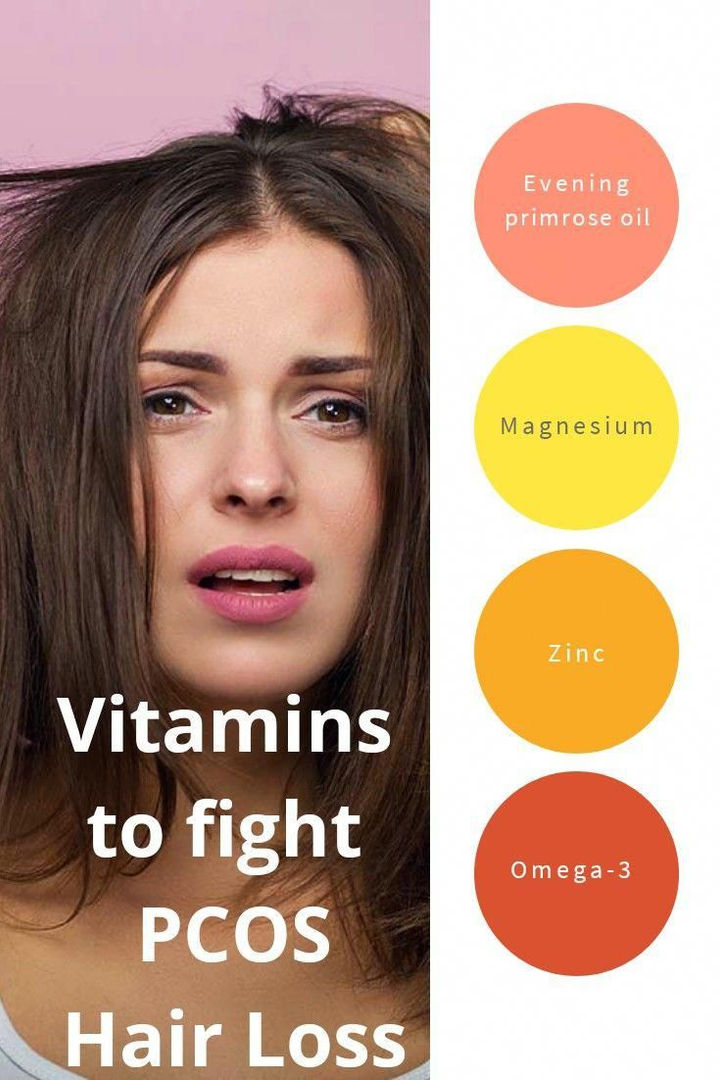
In the absence of data, researchers are doing studies of their own to figure out if the drugs work for PCOS, and US regulators have asked the companies to collect any information they can about their use during pregnancy. During the growth cycle, the hair starts as an onion-like object, which then produces a hair fiber. Options available are medical therapy or physical method of removing hairs by threading, waxing, plucking, bleaching, or shaving. The permanent hair-reduction techniques, such aselectrolysis and photoepilation, are also therein which destruction of hair follicle is done with energy source. The therapeutic goal is to achieve inhibition of ovarian androgen production and decrease their bioavailable forms by increasing SHBG levels.
Harvard Health Publishing
Hair progresses more quickly to the resting stage, where the end of the strand is pushed out of the follicle until it falls out. Let's explore this in depth, but first, it’s important to understand the phases of hair growth. Hair may seem finer than usual and be harder to style without using a lot of product to increase body and fullness. Red, near-infrared, or low-level light therapy may help with stimulating hair growth. There is conflicting evidence, with some studies showing it helps and others that show no difference (van Zuuren, 2016). There’s certainly no medical need to treat PCOS-related hair loss.

If you’re searching online forums for PCOS, you’ll probably be reading a lot about PCOS and low carb diets. Low carb and ketogenic (super low carb) diets can be really effective for reducing androgens in PCOS, but only if you have insulin resistance. Testosterone is broken down to Dihydrotestosterone (DHT) within the hair follicle’s oil glands.
One 2016 study found that the mineral can actually regrow hair in women with PCOS. While there is no cure for PCOS, its symptoms can be managed and sometimes reversed with lifestyle changes, medications, and treatments. Lifestyle modifications like diet, exercise, and weight management can significantly reduce symptoms and improve quality of life. Minoxidil, also known as Rogaine, is the only approved treatment for female-pattern baldness. Applied topically to the scalp daily, it promotes hair growth and can even give hair a thicker appearance.
It has been seen that just 5% loss of total body weight reduces the insulin resistance and testosterone levels with marked improvement in body composition and cardiovascular risk markers. Polycystic ovarian syndrome (PCOS) is the commonest endocrine disorder in women having wide range of clinical manifestation. These women may present with reproductive, dermatological, metabolic, psychological, or neoplastic implications from adolescence to menopause. The common dermatological manifestations include hirsutism, acne, alopecia, or acanthosis nigricans.
Natural treatments for PCOS hair loss
It doesn’t matter how old you are — if your symptoms affect your quality of life, talk to your healthcare provider. In most cases, your healthcare provider can diagnose PCOS after an examination and discussing your symptoms. They may order blood tests or perform an ultrasound to help with the diagnosis. I can only imagine how heartbreaking PCOS hair loss is and why you would want to try everything to get it back. However, I hope you can now see what’s causing it to fall out and how there’s no scientific way that a shampoo can address excess androgens or inflammation. I’m afraid that you may be washing your money down the plughole with these.
Symptoms
PCOS Diets Are Unlikely to Ease Symptoms - The New York Times
PCOS Diets Are Unlikely to Ease Symptoms.
Posted: Thu, 21 Mar 2024 07:00:00 GMT [source]
Losing just 5 to 10 percent of your body weight can significantly reduce PCOS symptoms. Researchers from Copenhagen, Denmark, concurred last year in a review of GLP-1 drugs, saying that there is “limited information on their long-term safety, particularly concerning pregnancy outcomes”. Yet they are doing so without much data on the drugs’ impact on pregnancy. When you have PCOS, your hair loss usually occurs at the top of your head, at your part, rather than at your hairline (i.e., top of your forehead).
Different diagnostic criteria have been proposed in this respect[6] [Table 2]. Many people don’t even realize they have the condition until they have trouble getting pregnant or are gaining weight for unknown reasons. It’s also possible to have mild PCOS, where the symptoms aren’t severe enough for you to notice. PCOS is very common — up to 15% of women and people AFAB of reproductive age have PCOS. The hormonal imbalance caused by PCOS interferes with ovulation and can impact fertility. This doesn’t mean that you have to give up your dream of having kids.
It fits into this receptor site (like a key) and stops testosterone getting in there. It disrupts ovulation, estrogen metabolism, and adrenal function, so it’s most likely causing more harm than good. For now, remember that Spiro is the (not particularly effective) quick fix that may be doing you more harm than good. By regulating the activity of testosterone, PCOS symptoms such as facial hair growth and scalp hair loss are lessened. Women don’t generally experience the same pattern of hair loss that many men experience as they age, but having thinning hair, a visible scalp, and a widened part can be upsetting for many women. Approved for heart conditions, this drug is sometimes prescribed off-label to treat PCOS hair loss in women.
The reason women with PCOS may experience hair loss is because they have an excess of androgens affecting the hair follicle. Although androgens play an essential role in our physiology, in excess amounts they can unfortunately cause female pattern hair loss (androgenic alopecia), or hair loss. Birth control pills can lower androgen levels, which may help to reduce excess hair growth and slow down hair loss. It also helps with other PCOS symptoms, such as irregular periods and acne. An anti-androgen drug is often prescribed in combination with oral contraceptives for PCOS-related hair loss.
Symptoms may change over time and often occur without a clear trigger. PCOS treatment focuses on managing the things that are concerning you. Specific treatment might involve lifestyle changes or medication. These can be effective, but both cannot be used if you are pregnant or at risk of becoming pregnant due to the risk of fetal harm.


No comments:
Post a Comment